
1. What is an OTA?
OTA (Online Travel Agency) are online platforms for booking hospitality services (travel, tours, lodging & experiences) such as Booking, Agoda, Traveloka, Expedia…
These are places where customers search for information, compare prices, view photos, read reviews, and make booking decisions.
OTAs have grown not only because of technological convenience but also because they serve as reliable information sources and bridges between customers and hospitality brands, especially when users are too far away to inspect properties in person before deciding to purchase a service.
2. Why did OTAs create image standards?
OTA image standards are not arbitrary; they are derived from the aggregate behavior of many users—how people respond to information, services, prices, and especially visual content. From these data points, OTAs form guidelines.
These standards exist to help users better perceive hospitality brands, make safer choices, and help hospitality providers achieve better business outcomes via OTA channels. Therefore, complying with these standards benefits resorts and hotels.
One core standard is the image gallery—how OTAs expect layout, format, and visual style to align with customer expectations.

3. Why are OTA-standard photos increasingly preferred?
3.1 Because customers prioritize clear information
Today’s users want to see precisely where they will stay. Accurate images on OTAs give them greater confidence, especially for long trips or family travel.
3.2 Because realistic photos reduce mismatched expectation
Overly edited or unrealistic photos often lead to disappointment at check-in. Conversely, a set of photos shot to OTA standards helps guests visualize the real condition and space, thereby improving satisfaction.
3.3 Because OTA-standard images boost conversions
Many OTA surveys show users take only a few seconds to decide whether to continue viewing a room or skip it, and images are the primary deciding factor. Properties with clear image galleries tend to deliver higher conversion rates.
3.4 Competitive necessity
On OTA platforms, numerous hospitality brands offer similar services across many competitive dimensions; therefore, high-quality, OTA-standard images become a basic requirement.
3.5 Building connection with guests
A correctly composed image set for a resort is also usable across marketing activities. The images users encounter on OTAs act as a marketing touchpoint, creating a connection to the brand’s style and service for potential guests.

4. Image standards for resorts on major OTAs
Below are the common standards applied by most OTAs (Booking, Agoda, Expedia…).
4.1 Accuracy – Truthfulness and consistency
Resorts are developed around a harmony of nature, architecture, and service. Therefore, one should not erase the poetic, “chilling” vibe in photos — that vibe is often a resort’s core insight. However, balance with realism is required: avoid extreme tone edits, sky replacements, or compositing that make images diverge significantly from reality — such mismatches lead to guest disappointment.
4.2 Coverage – Complete coverage of key areas
For every room types, OTAs recommend 8–12 photos including: room overview, bed, view from balcony or window, bathroom, and standout amenities (sofa, minibar, desk…). You can add shots that highlight the room’s interior style or architecture. Make the room-level gallery clear: when users select a room at a given price, they will check the photos for that specific room type.
For public spaces: include all relevant facilities and service areas the resort actually offers, such as swimming pool, reception/lobby, restaurant, gardens, beachfront or hillside connections, kids’ play area, meeting rooms, ballrooms, sports facilities (gym, tennis, table tennis…), spa.
The more comprehensive the gallery, the more professional and transparent the resort appears.


4.3 Light – Composition – Color
Light: Architects usually design resort lighting to harmonize natural and artificial sources. Highlight the design and the mood that the property’s lighting offers guests. Avoid excessive artificial lighting manipulations that erase that spirit and create unrealistic expectations.
Composition: Photography follows basic composition rules but also depends on the photographer’s creative intent. Define the message first so the framing supports both harmony and the resort’s spirit.
Color: Keep colors balanced and harmonious — preserve the resort’s lyrical (poetic) strengths while maintaining natural accuracy.
4.4 Experience-driven visuals
Each resort has unique experiences. Include a few emotion-driven shots that convey the resort’s insight: a close-up of a buffet display, a dining table oriented to an open view, a refreshing drink by the pool, or a beach umbrella silhouette.
This is not a mandatory standard but is an effective option for resorts aiming to highlight experiential value.


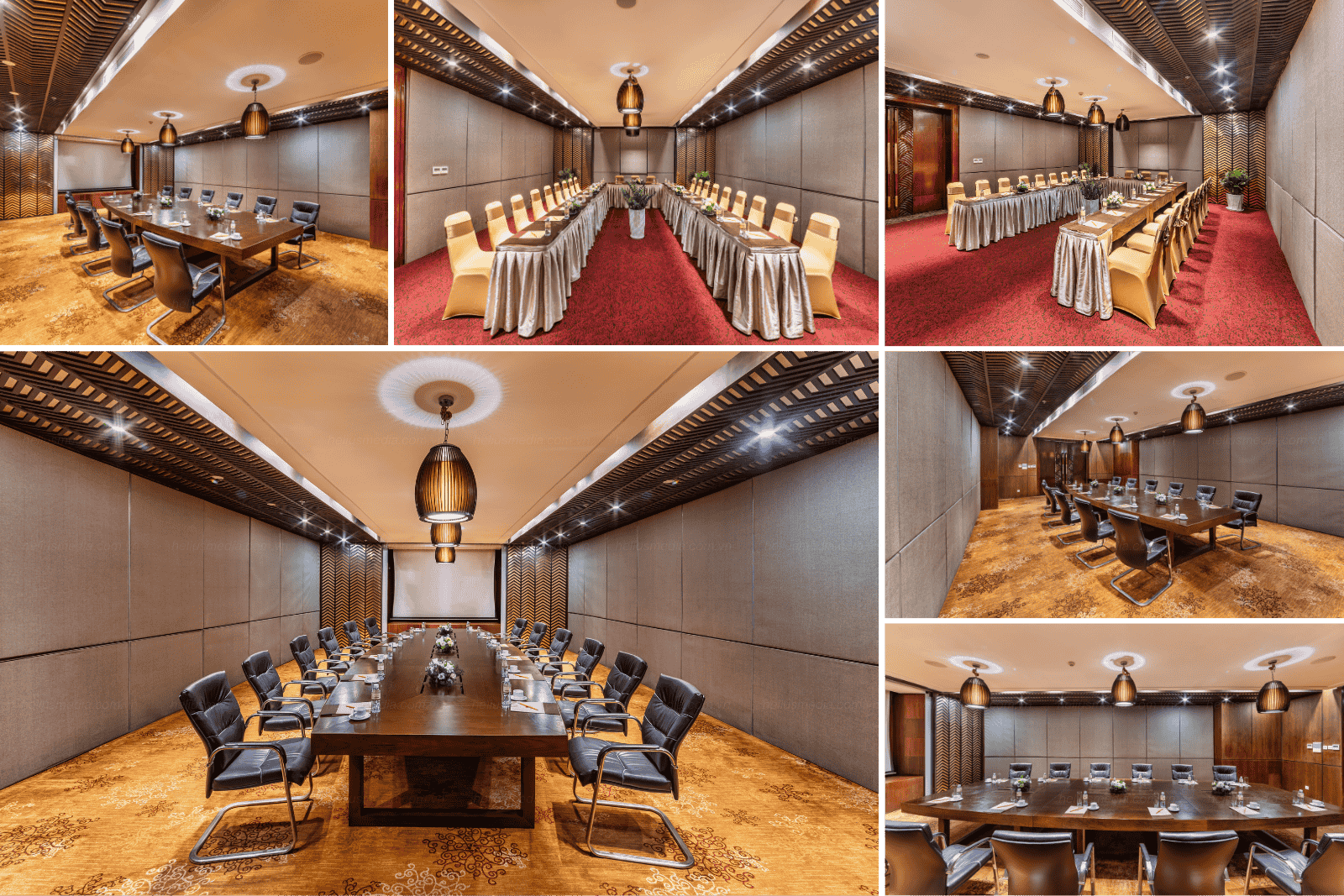
5. Case Example: A Beachfront Resort in Hồ Tràm Applying OTA Standards
Vietsovpetro Resort Hồ Tràm currently updates its images on:
Booking: https://www.booking.com/hotel/vn/vietsovpetro-resort.vi.html
Agoda: https://www.agoda.com/vi-vn/vietsovpetro-ho-tram-resort/hotel/vung-tau-vn.html
Traveloka: https://www.traveloka.com/vi-vn/hotel/vietnam/vietsovpetro-resort-3000020017765
Applied solutions:
Full photography of all room categories and facilities following OTA standards
Clear emphasis on views, lighting, and amenities
Image optimization to reflect the authentic lifestyle and positioning of the resort
👉 Learn more about the hospitality photography project for Vietsovpetro resort Hồ Tràm
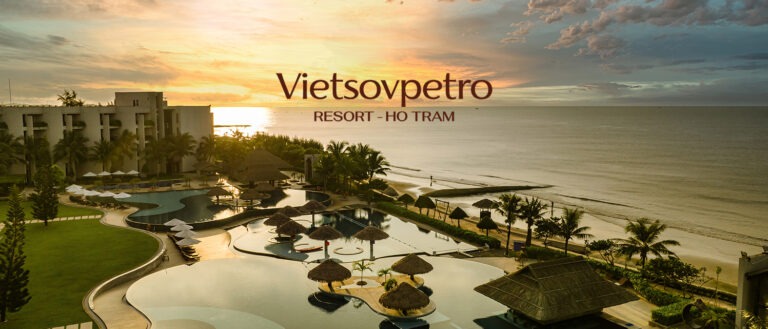
Hospitality Media: Vietsovpetro resort Ho Tram
6. Conclusion
Shooting resort photos to OTA standards is not merely a technical checklist. It’s a way for a resort to communicate its true value, elevate visual experience, and build trust with potential guests from the very first glance.
When selecting a professional resort photography service, the result should be a gallery that is accurate – comprehensive – consistent – and reflective of the resort’s experiential spirit. Such an investment improves visibility and conversion on OTAs and delivers long-term value in both communications and business performance.
This article is built upon Helius Media’s hands-on consulting and real-world execution experience,
by Huynh Thinh, Founder & Creative Strategist.
Explore more
Media insights

What Is a Video Commercial? Popular Formats Today

When to Choose Commercial Video and Which Format Fits?
