
In the article “Resort Photography to OTA Standards: A–Z Guide” Helius Media explained what OTAs are, why they created their visual standards, and why these standards are increasingly prioritized across the hospitality industry.
👉 If you haven’t read it yet, you can see it here: Resort Photography to OTA Standards: A–Z Guide
This article focuses on what differentiates hotels — the OTA criteria that stay the same at a framework level, and the parts where visual expression must adapt to the property’s unique design, concept, and commercial goals.
1. Why Should Hotels Standardize Their Images for OTA Platforms?
OTAs connect hotels to a massive range of guests — short-stay travelers, long-stay business guests, solo travelers, families, and corporate groups. Today, OTAs are among the most important revenue-driving channels for hotels of all scales.
Competition on OTAs is intense: properties within the same area often share similar pricing, similar features, and the booking decision happens quickly. In some cases — group bookings or long-term stays — guests spend more time screening options, and visual clarity becomes even more important.
This means OTA-standard images are not “mandatory requirements” — they are business tools that help hotels become more transparent, more understandable, and ultimately, easier to choose.
OTA standards don’t force hotels to look identical. What OTAs want is clarity, accuracy, and honest representation of the stay experience. How you express that is completely up to each hotel’s brand spirit and design philosophy.
2. Hotel Image Standards on OTA Platforms — and Key Differences Compared to Resorts
Similar to the resort segment, OTA platforms apply five core image standards. However, for hotels, it is essential to consider differences in operating models and hotel-specific insights so that the images are not only sufficient but also accurate to the property’s character.
2.1. Accuracy – Honesty & Clarity
Honesty is a universal requirement in hospitality: natural lighting, accurate color tones, and true spatial composition. These are technical and photographic fundamentals used to capture a realistic representation of the hotel. More importantly, accuracy needs to be combined with brand insight so that the images are both compliant and reflective of the hotel’s distinctive identity.
- For example: A neat, bright, well-organized room may suit the business style. However, with art-house, indie, or chill-room concepts—where spaces are designed with colored lighting, softer tones, or unconventional layouts—attempting to standardize everything through redesigning the space or over-editing can distort the room’s concept and diminish the intended spirit.
→ OTA platforms require clarity, but this does not imply aesthetic uniformity across hotels.


2.2. Coverage – Level of Completeness
Hotels typically emphasize comfort and modern amenities. Showcasing common facilities such as gyms, swimming pools, restaurants, bars, and spas helps travelers visualize what is included and perceive the room rate as reasonable and worth the experience.
However, not all hotels offer a full range of facilities. OTA platforms do not require a fixed set of amenities; instead, they recommend showcasing available features to enhance perceived value in the eyes of travelers.
→ Coverage in hotel photography simply means presenting what the property actually offers.


2.3. Accommodation Gallery – Room Types Photo Sets
For hospitality marketers and sales teams, room-category photos are among the most critical elements—not only on OTA platforms but across all booking channels.
Each room category requires a distinct set of 6–15 images depending on its characteristics. When evaluating room choices, OTA platforms display these separate galleries to help travelers understand architecture, interior layout, available features, and window or balcony views. As with section 2.1, room-category images must also convey the lodging spirit intended for guests.


2.4. Cleanliness – The Standard of “Well-Prepared, True to Concept”
In the hotel segment, architectural styles and guest experiences vary widely—from geographic influences to cultural and period aesthetics.
→ Cleanliness in hotel photography means staying true to the design intent, not conforming mechanically to an OTA template.
The focus lies in expressing a sense of care, readiness, and respect for the guest experience.
OTA platforms standardize the presentation structure but encourage the preservation of brand identity, contributing to diversity and meaningful choices for users.


2.5. Experientiality – Experience-Driven Imagery
As with resorts, lifestyle or experiential imagery is optional—not mandatory—but when included, it helps convey the emotional tone the hotel intends to deliver through visuals.
Resorts often prioritize relaxation and retreat, whereas hotels tend to emphasize business style, sophistication, and an elevated experience. The choice of concept and specific content depends on the property’s insight and the message it aims to communicate.



3. When Should Hotels Invest in OTA-Standard Photography?
✔ After renovating rooms or upgrading interiors
✔ When rebranding or repositioning
✔ When launching new room categories or facilities
✔ When outdated photos create misunderstandings → lower reviews
✔ Ahead of peak booking seasons to boost conversions
✔ When aiming to improve visibility and ranking on OTA platforms
4. Case Studies
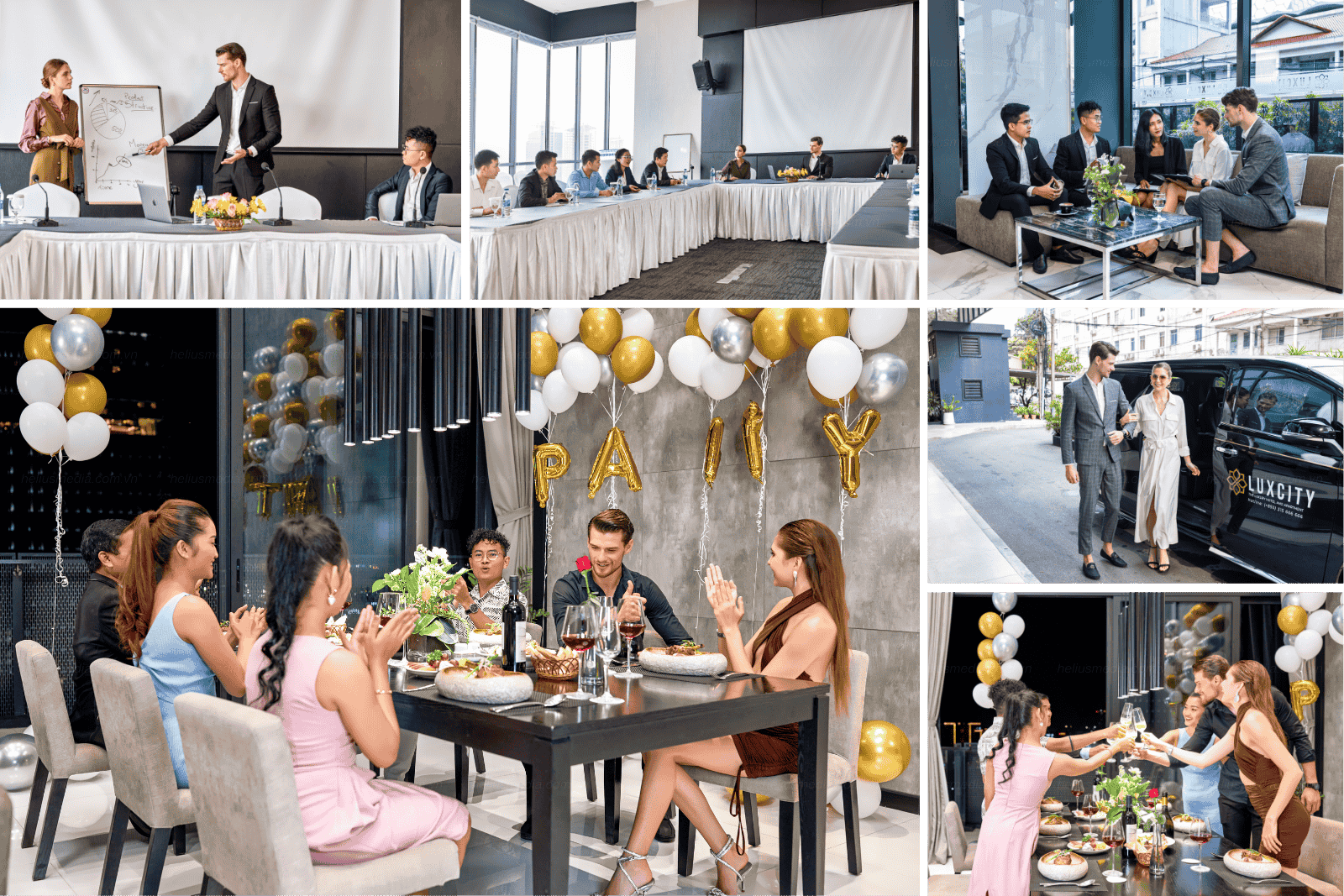
4.1. Luxcity Hotel & Apartment – Phnom Penh


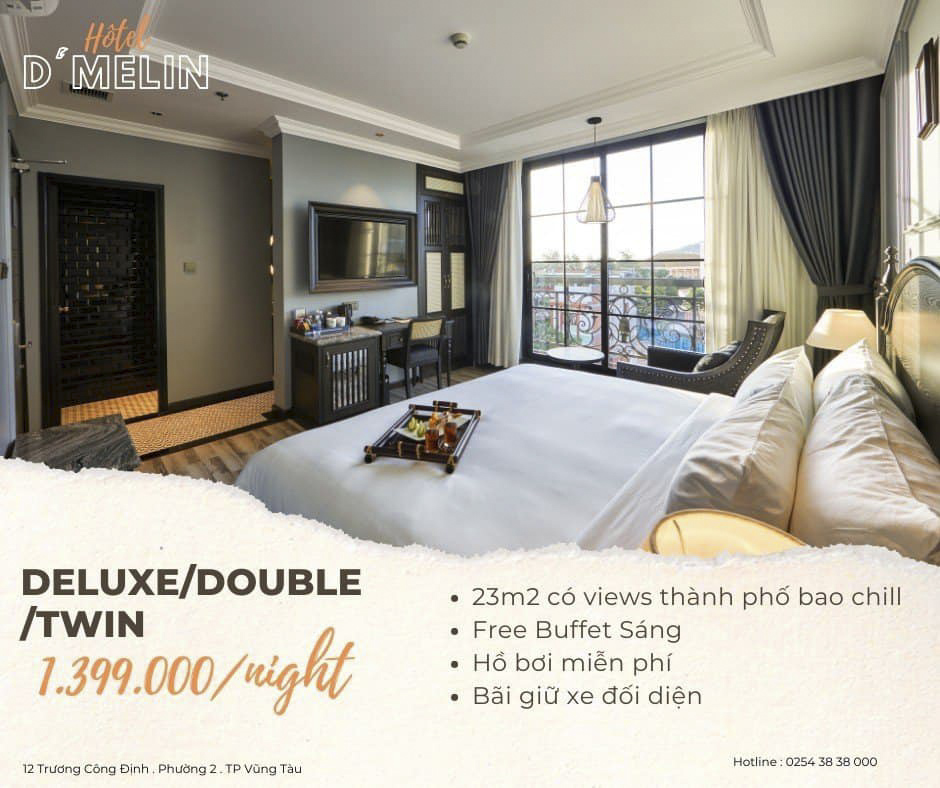
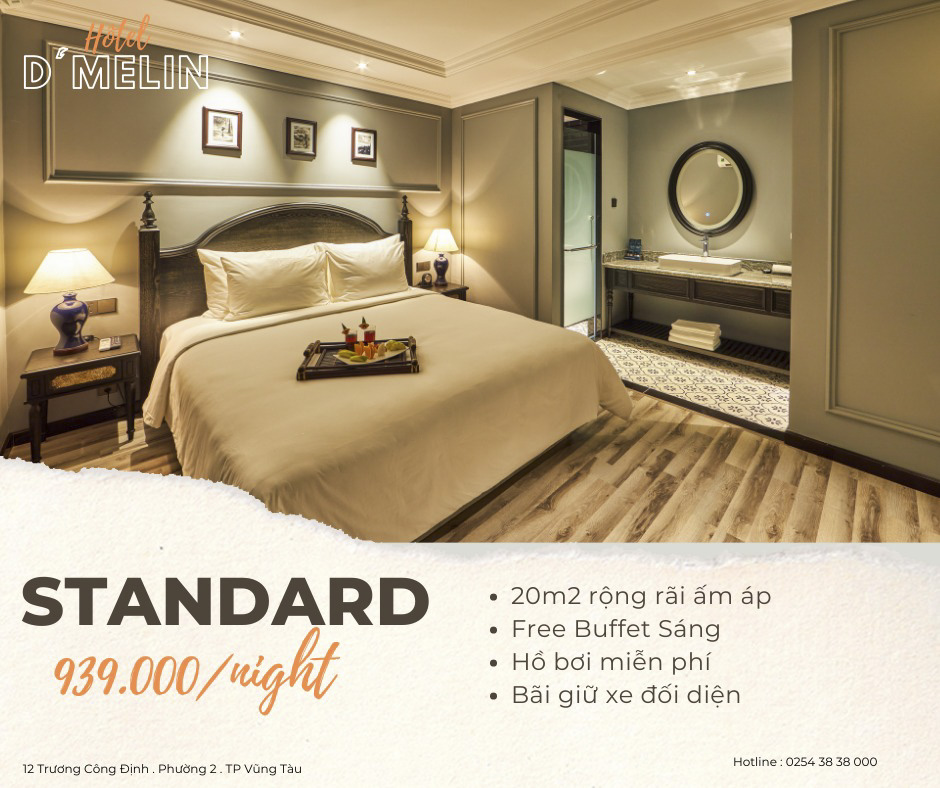
4.2. Hotel D’Merlin – Vũng Tàu
A boutique Indochine-style hotel shaped by the insight of a coastal urban stay.
Visual direction: heritage-inspired elegance blended with the vibrancy of a seaside city.
Executed during brand launch — the gallery now serves as a long-term visual asset across OTA and brand channels.


Read more about these projects

Hospitality Media: Luxcity Hotel & Apartment, Phnom Penh
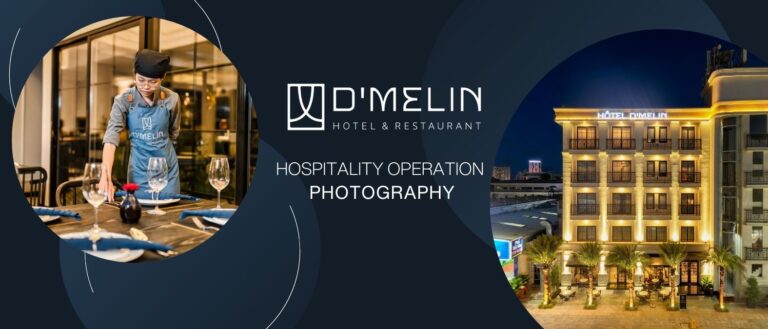
Hospitality Photography: Hotel D’Merlin Vung Tau
5. Conclusion
Investing in OTA-standard photography is a strategic decision — it helps guests understand your property more quickly and increases conversion across platforms.
But “meeting OTA standards” does not mean losing brand identity. OTAs require transparency and clarity.
How you tell the story visually is up to your brand.
When OTA-ready visuals are combined with deep brand insight, the result is a long-lasting asset for marketing, PR, sales, and overall brand consistency.
👉 If your hotel needs a photography set that captures both OTA standards and true brand spirit, explore Helius Media’s Professional Hotel Photography Service.
This article is built upon Helius Media’s hands-on consulting and real-world execution experience,
by Huynh Thinh, Founder & Creative Strategist.
Explore more
Media insights

Effective and Professional Corporate Video Production

What is the Ideal Duration for a Video Commercial?
